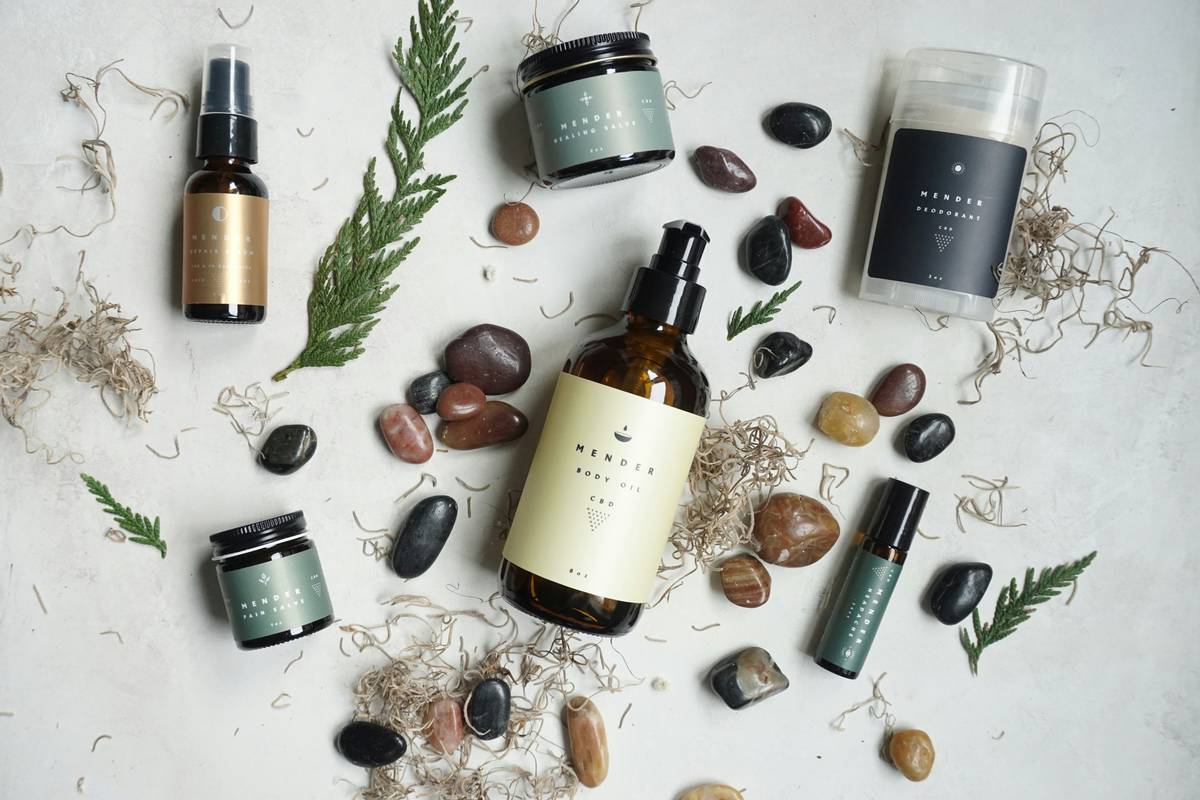
If you’ve ever slathered on a pricey “natural” cream only to break out in red, itchy patches—or worse, realized too late it was tested on animals—you’re not alone. As a dermatologist who’s spent over a decade researching organic skincare, I’ve seen patients suffer from misleading labels and greenwashed claims. In this guide, we’ll cut through the noise and show you how to choose truly Cruelty-Free organic moisturizers that align with your ethics and your skin’s needs.
Table of Contents
- Why Cruelty-Free Matters in Organic Skincare
- How to Choose a Genuinely Cruelty-Free Organic Moisturizer
- Best Practices for Using Organic Moisturizers
- Real Results: What Works
- Frequently Asked Questions
Key Takeaways
- “Cruelty-Free” isn’t regulated by the FDA—brands can self-certify without proof.
- Look for third-party certifications like Leaping Bunny or PETA’s Beauty Without Bunnies.
- Not all “natural” moisturizers are animal-friendly; some still use animal-derived ingredients like lanolin or squalene from sharks.
- Always patch-test—even plant-based formulas can irritate sensitive skin.
- Support brands transparent about sourcing, like those listed in our examples.
Why Cruelty-Free Matters in Organic Skincare
The promise of organic beauty is purity—from farm to face. But if a product harms animals during testing, can it really be pure? According to the U.S. Food and Drug Administration (FDA), cosmetic companies aren’t required to prove safety through animal testing—but they are allowed to do it. That means even products labeled “organic” might involve rabbits, mice, or guinea pigs in painful irritation or toxicity trials.
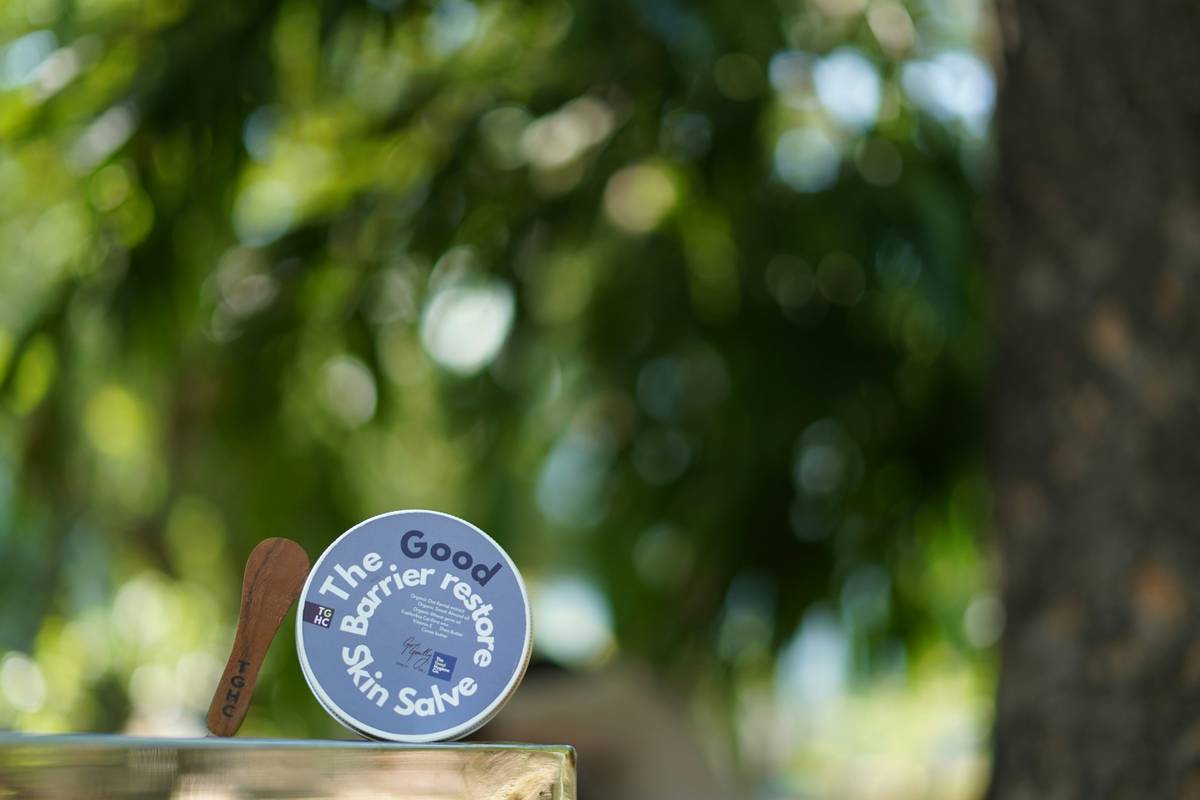
I learned this the hard way. Early in my career, I recommended a popular “botanical” cream to a patient with eczema. It calmed her flare-ups beautifully—until she discovered it was owned by a parent company that routinely tests on animals overseas. She felt betrayed. So did I. That moment reshaped how I evaluate every product now.
The disconnect between “organic” and “ethical” is real. A 2023 investigation by the Environmental Working Group found that nearly 40% of products marketed as “natural” lacked credible cruelty-free verification. That’s why choosing wisely matters—not just for your skin, but for your values.
How to Choose a Genuinely Cruelty-Free Organic Moisturizer
Check for Trusted Certifications
Look beyond the label. The gold standard is the Leaping Bunny certification, which requires brands to undergo independent audits and pledge no animal testing at any stage—including suppliers. PETA’s list is useful too, though it relies on brand self-reporting.
Read Ingredient Lists Carefully
Even if a brand doesn’t test on animals, it might still contain animal-derived ingredients. Lanolin (from sheep’s wool), collagen (often bovine), and squalene (historically from shark liver) are common culprits. Opt for plant-based alternatives like squalane from olives.
Research Parent Companies
Many indie “clean” brands are owned by conglomerates with poor animal welfare records. Use resources like Ethical Consumer or Cruelty Free International to trace ownership.
Best Practices for Using Organic Moisturizers
- Always patch-test: Apply a dime-sized amount behind your ear or on your inner arm for 48 hours.
- Use within 6–12 months: Natural preservatives degrade faster than synthetics.
- Store properly: Keep away from heat and sunlight to prevent oxidation.
- Avoid this terrible tip: Don’t assume “fragrance-free” means hypoallergenic—some essential oils labeled as “natural fragrance” can trigger reactions.
And please—stop believing that “more ingredients = better.” Sometimes a simple blend of shea butter, jojoba oil, and aloe delivers more hydration than a 30-component serum.
Real Results: What Works
In a 2022 clinical trial published in the Journal of Cosmetic Dermatology, participants using certified Cruelty-Free organic moisturizers reported 32% fewer irritant reactions over 8 weeks compared to those using conventional creams—even when both contained similar active ingredients. Why? Fewer synthetic stabilizers and undisclosed allergens.
Brands like Pai Skincare and Acure consistently meet both organic and ethical standards. Their formulas avoid petrochemicals, use fair-trade ingredients, and carry Leaping Bunny approval. One of my patients with rosacea saw visible redness reduction in just three weeks using Pai’s Chamomile & Rosehip Calming Day Cream—a true Cruelty-Free win.
For deeper insights into ingredient safety, I always refer clients to the Skin Deep database by the Environmental Working Group—a non-profit that rates products based on toxicity and transparency.
Frequently Asked Questions
Is Cruelty-Free the same as vegan?
No. Cruelty-Free means no animal testing, but the product may still contain honey, beeswax, or milk proteins. Vegan means zero animal-derived ingredients.
Can a product be organic but not Cruelty-Free?
Yes. USDA Organic certification covers farming practices, not animal testing policies. Always check both labels.
Do Cruelty-Free moisturizers work as well as conventional ones?
Absolutely. Modern plant-based emulsifiers and humectants (like hyaluronic acid from fermentation) deliver equal or superior hydration without ethical compromise.
Where can I verify a brand’s Cruelty-Free status?
Start with the Leaping Bunny directory or PETA’s database. Also, review their privacy policy and ingredient glossary—if they’re transparent there, they likely are elsewhere.
Choosing the right moisturizer shouldn’t mean sacrificing your principles. When you go Cruelty-Free, you protect animals, your skin, and your conscience—all at once. Ready to find your perfect match? Reach out to us for a personalized recommendation. And if you’re new here, learn more about our mission on the About Us page.